



Few clichés scream “sports” more than “teamwork makes the dream work.” When players work together and put their personal goals to the side, a common goal is often achieved and the euphoric feeling that comes with it trumps most, if not all, individual accolades.
The same can be applied on a more macro scale, where sports leagues work together to help a national federation form the best team possible. Game schedules are adjusted and players are granted permission to represent their home countries. When the best players are tapped, the results often speak for themselves.
In recent years, the PBA, the UAAP, and other leagues in the Philippines have become more open in allowing their players to represent the country while also adjusting their schedules to ensure these players don’t miss any games for their professional or collegiate teams.
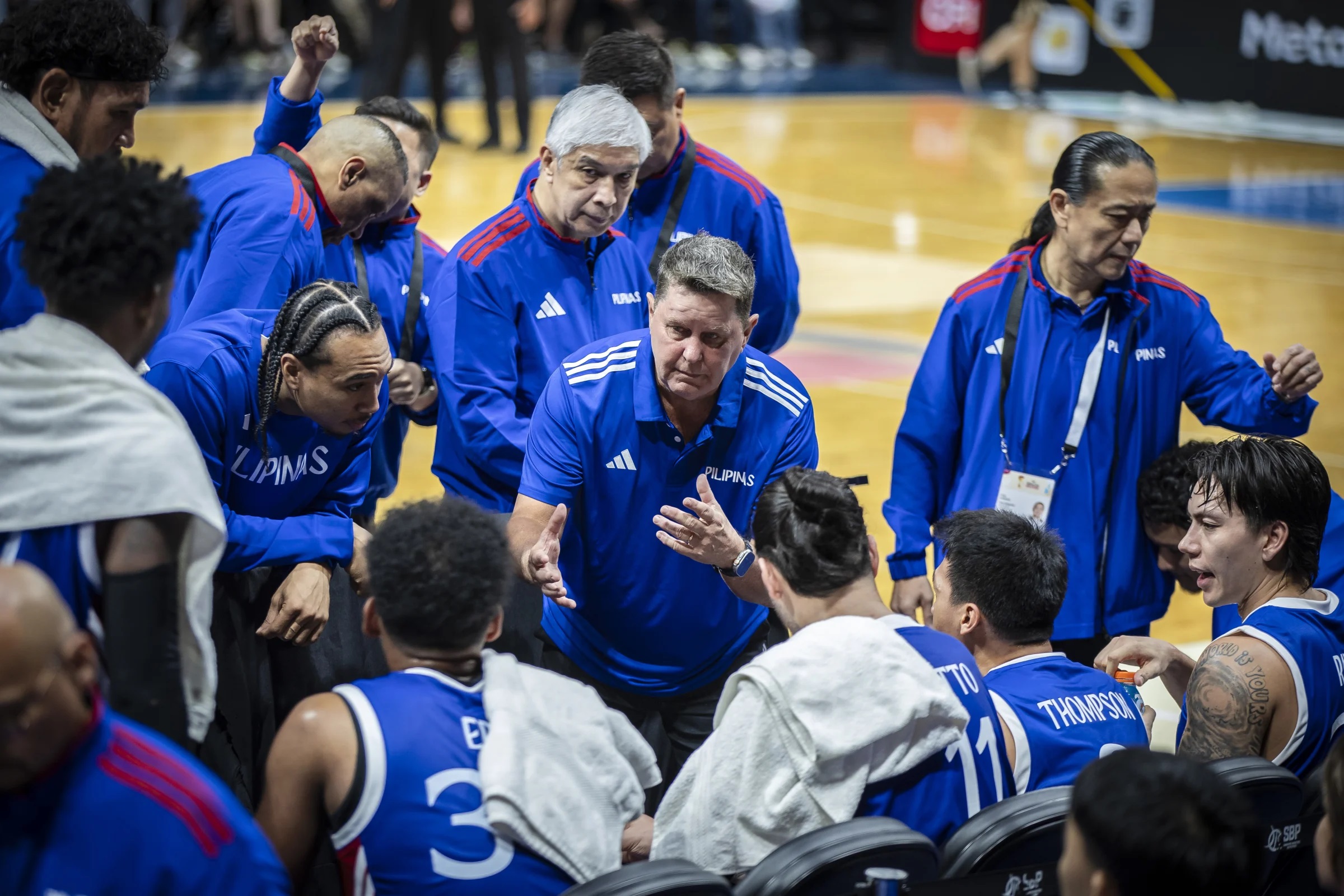
This is a far cry from the times the Samahang Basketbol ng Pilipinas (SBP) would have to practically beg for players and at times enter tournaments without the best talent they could assemble due to some parties failing to swallow their pride. The SBP continues to face these issues, but fortunately for Gilas Pilipinas, the ones refusing to comply are the leagues overseas. Here in the Philippines, the PBA has made it a point to lend whoever they can and it has allowed Gilas to have a wider pool and end gold medal droughts.
The Philippines will field an All-PBA team for the 2026 Asian Games and while they were blown out in two tuneup games against South Korea, being able to have more time to practice together should help them address the concerns that arose from the beatdowns. After all, it was a nearly All-PBA Gilas Pilipinas team that ended the 61-year gold medal drought a few years back.
Meanwhile, the UAAP has not had to lend as many players as the PBA (but for other sports it has been a well-represented league), but it has not hesitated to adjust its schedule and let its players represent the country in international competitions. It has helped boost the league’s overall profile as players from the UAAP can be among the region’s, if not the world’s, best.
The steps the PBA and the UAAP have taken to support the national cause have been win-win outcomes so far. The PBA has been able to earn brownie points for being supportive of Gilas Pilipinas, while the UAAP adjusting its schedules may have been a plus for recruitment. Taking a step back would erase any gains and the hope is that both leagues and others that might join them remain aligned with national interests, because when Philippine basketball is on a roll, the rest of the stakeholders follow.