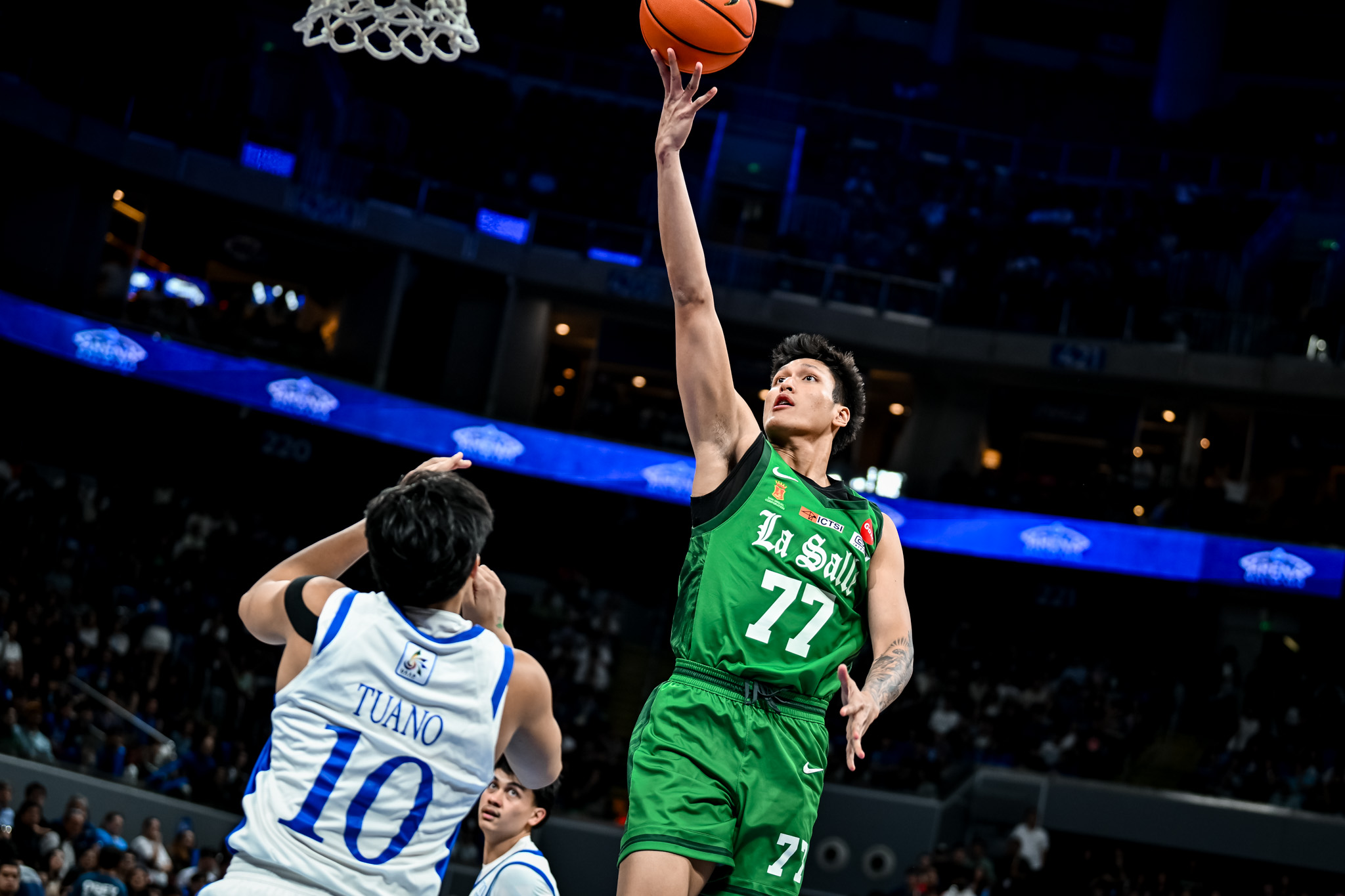



Darryn Peterson’s lone season at Kansas did not go the way anyone wanted it to, but the Utah Jazz still saw enough potential to select him second overall in the 2026 NBA Draft.
Three Summer League games later, that decision already looks more than justified.
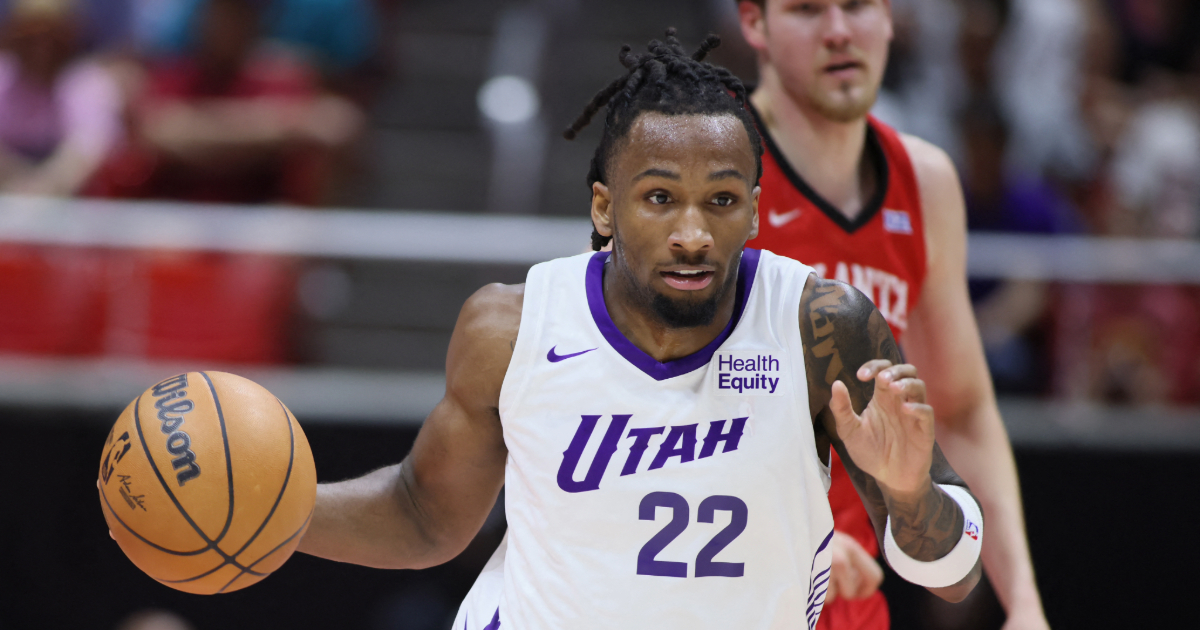
Peterson, a 6-foot-6, 205-pound guard, has made an impressive early statement for the Jazz. The 19-year-old opened with 28 points, five rebounds, two assists, and two blocks in an overtime win over the Atlanta Hawks before following it up with 25 points, two rebounds, 12 assists, and two steals in a victory over the Memphis Grizzlies.
After sitting out Utah’s game against the Oklahoma City Thunder, Peterson returned to face first overall pick AJ Dybantsa and the Washington Wizards, finishing with 24 points in a narrow 92–88 loss.
The matchup naturally drew attention because it featured the draft’s top two selections. Dybantsa won both the individual matchup and the game, but he also had the benefit of playing alongside a stronger Summer League roster that included Will Riley and Tre Johnson, both of whom suited up for the Wizards during the NBA season.
Peterson’s performance was both a tease at his upside and a somber reminder of the growing pains that come for young players, especially guards. He scored 24 points to keep Utah competitive, but also shot just 6-of-18 from the field and committed eight turnovers against only three assists. It was his second eight-turnover game of Summer League after posting the same total against Atlanta in his debut, when he also finished with only two assists.
Much of that can be attributed to the attention he has already commanded from opposing defenses, often forcing him into difficult shots or rushed decisions. That burden should ease during the regular season, when Peterson is unlikely to be the primary focus of opposing scouting reports, at least for the time being.
The scoring ability is already evident. His decision-making with the ball simply has to catch up.
All things considered, this kind of adjustment is expected for a young guard taking on greater responsibilities against stronger competition. Peterson himself admitted that he did not enjoy his lone, injury-riddled season at Kansas, where he averaged 20.2 points on 43.8 percent shooting and 38.2 percent from three, along with 4.2 rebounds, 1.6 assists, and 1.4 steals across 24 games. Following his Summer League debut in Las Vegas, he said he was “back having fun.”
Beyond the scoring ability, Peterson’s appeal is strengthened by his physical profile. He already looks the part of an NBA guard, possessing the size and strength to both absorb contact and create separation for himself.
For Peterson to blossom into an All-Star though, he will need to grow as both a playmaker and ballhandler. The Jazz already have established All-Star-caliber players in Lauri Markkanen and Jaren Jackson Jr., so Peterson will not be asked to carry the offense right away. That should aid his development by easing his burden, while also allowing him to learn how to create for others and fit within a team that has a clear pecking order.
One blueprint for his career could be that of seven-time NBA All-Star Donovan Mitchell, another score-first guard who began his career with Utah. Mitchell averaged only 3.7 assists as a rookie before improving to 5.3 per game by his final season with the Jazz. He has maintained that level through his first four years with the Cleveland Cavaliers, including a career-best 6.1 assists in 2024. His growth as a playmaker coincided with the best years of his career, as he received MVP votes for the first time in his first season with Cleveland and has done so in three of his four years there.
Peterson does not need to become Mitchell overnight. He only needs to keep building on the tools that made him the second overall pick. The turnovers must be addressed and the growing pains will likely continue beyond his rookie season, but the scoring instincts, physical tools, and confidence are already teasing that he could become Utah’s next great star.